On the morning of 01 July 2026, the Vietnam International Arbitration Centre (VIAC) welcomed a delegation from the Canadian Bar Association (CBA) and the Management Board of the Vietnam Initiative for Strengthening Trade (VIST) Project at its headquarters for a working session to discuss potential areas of cooperation.
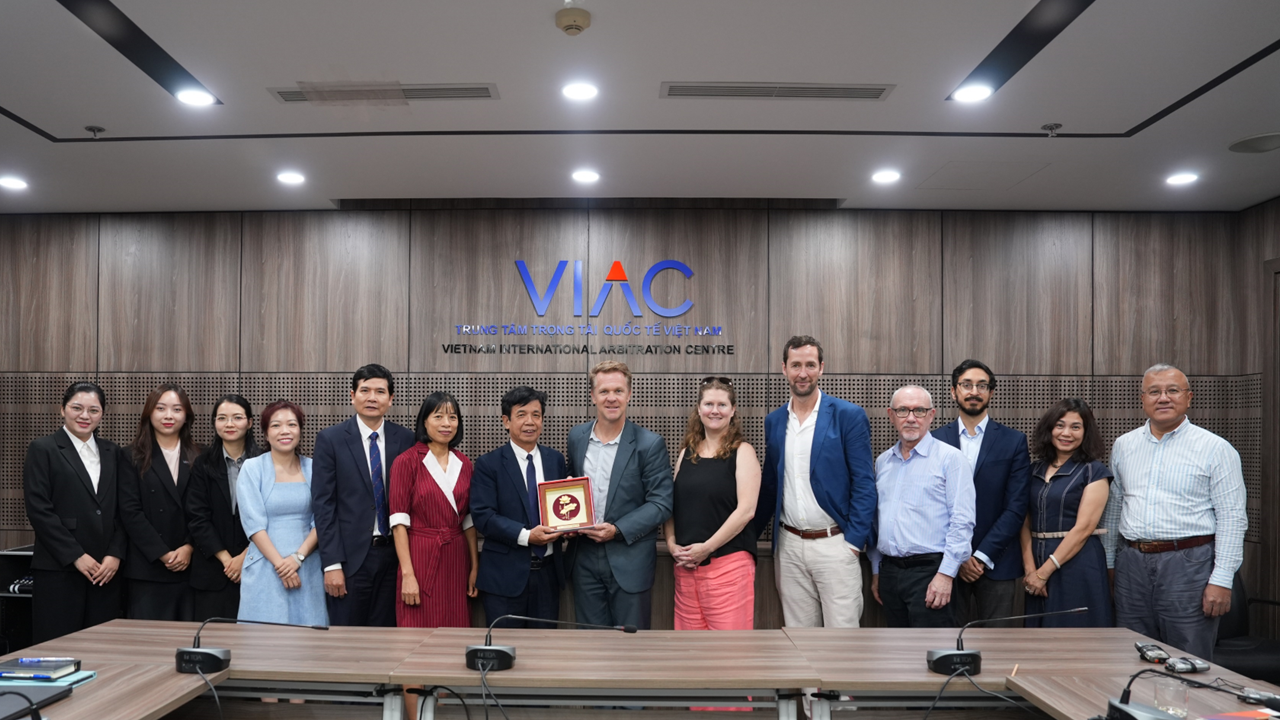
Overview of the meeting
The VIAC delegation was led by Prof. Dr. Le Hong Hanh, President of VIAC, together with members of the Executive Board. The visiting delegation was headed by Mr. Yves Faguy, Director of Advocacy and International Initiatives at the Canadian Bar Association, and Mr. Nicolas Drouin, Project Director of the Vietnam Initiative for Strengthening Trade (VIST), with the participation of representatives from the Ministry of Justice of Vietnam.
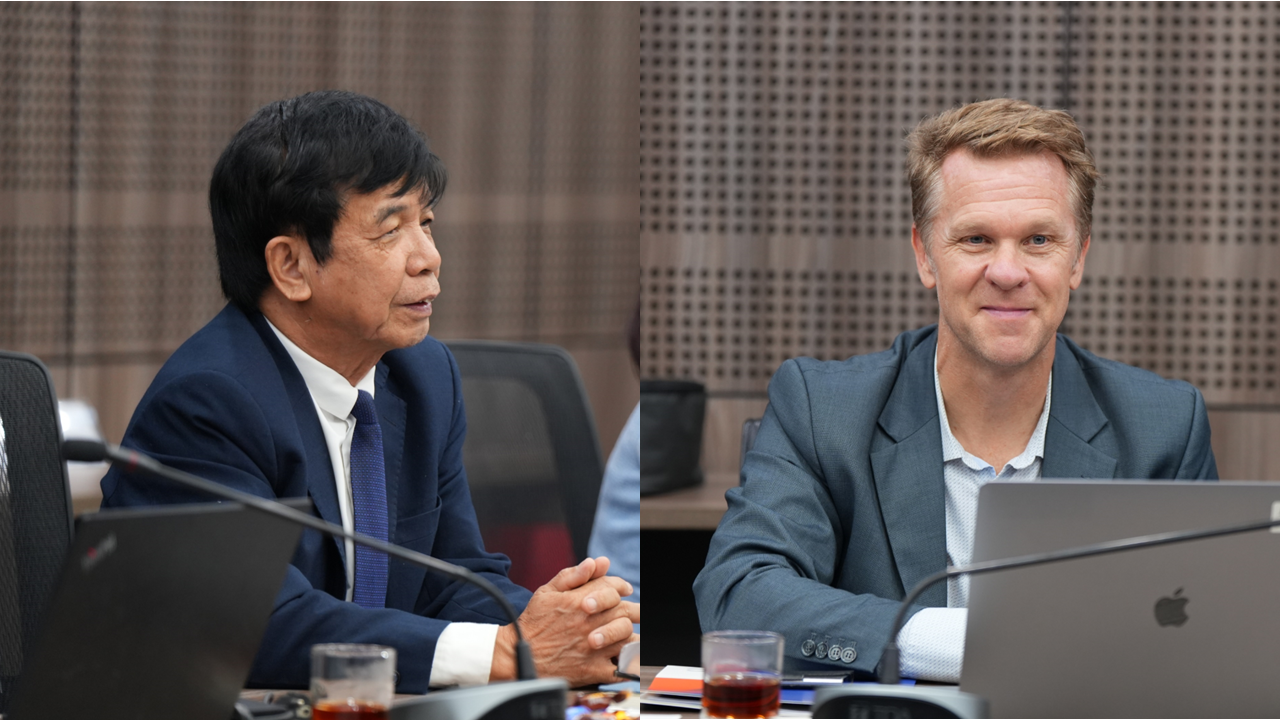
Opening the meeting, Mr. Nicolas Drouin - Project Director of the Vietnam Initiative for Strengthening Trade (VIST), introduced the VIST Project, a seven-year initiative funded by Global Affairs Canada and implemented by the Canadian Bar Association in cooperation with the Ministry of Justice of Vietnam. He noted that the Project aims to strengthen Vietnam's legal and institutional capacity while promoting gender equality in trade. It focuses on two key components: enhancing the capacity of legal professionals and supporting the development of the legal framework for the establishment of International Financial Centres in Ho Chi Minh City and Da Nang, alongside strengthening capacity in international commercial dispute resolution.
Expressing strong appreciation for the Project's objectives, Prof. Dr. Le Hong Hanh remarked that Vietnam is entering a new stage of development characterized by profound institutional reforms and deeper international integration. In this context, he emphasized that international cooperation should increasingly focus on creating substantive and sustainable value through strengthening the capacity of legal institutions, dispute resolution professionals, and users of ADR services, while responding to the evolving demands of international integration and specialized economic sectors.
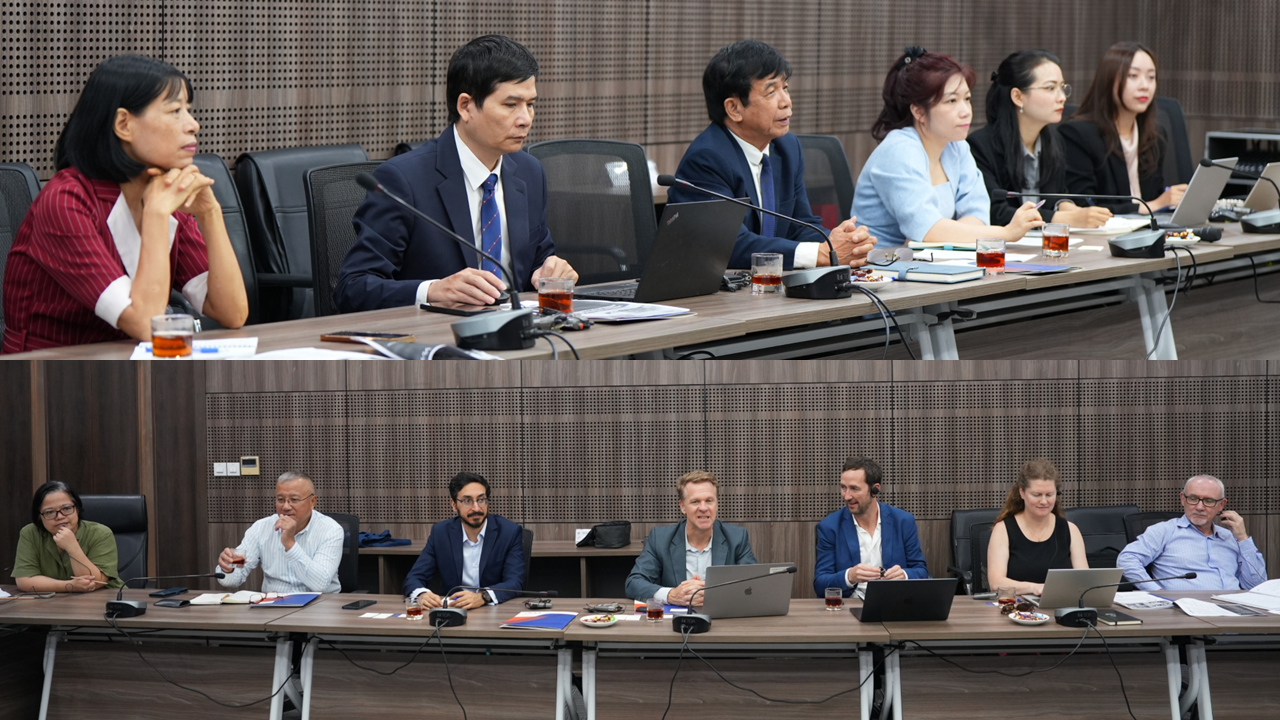
A significant part of the discussion centered on legal capacity-building programs delivered by the Vietnam Institute of International Arbitration Research and Training (VIART), an affiliated institution of VIAC. Ms. Vu Thi Hang - Chief of Secretariat and Member of Scientific Council of VIAC, shared that VIART organizes approximately eight training programs each year. Its curriculum is developed with reference to internationally recognized standards established by leading institutions, including Queen Mary University of London, the Chartered Institute of Arbitrators (CIArb), and the Centre for Effective Dispute Resolution (CEDR). Beyond providing theoretical knowledge, the programs place strong emphasis on developing practical advocacy and dispute resolution skills for lawyers, arbitrators and mediators, supported by rigorous competency-based assessment standards.
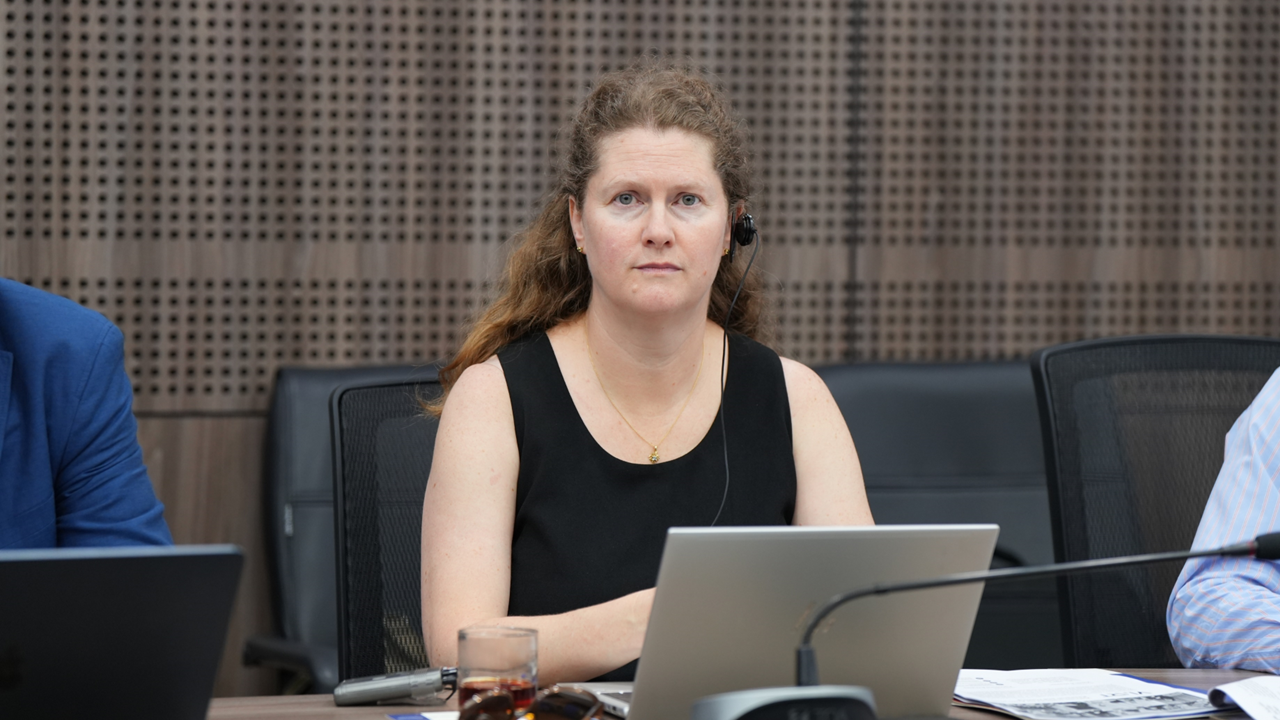
Ms. Alison G. FitzGerald - Lawyer at the Canadian Bar Association
Ms. Alison G. FitzGerald - Lawyer at the Canadian Bar Association, also expressed particular interest In VIAC's approach to the management and professional development of its panel of Arbitrators and Mediators. Responding to the inquiry, Mr. Vu Anh Duong - Permanent Vice President cum Secretary General of VIAC, explained that, in addition to the statutory requirements under Vietnam's Law on Commercial Arbitration, VIAC applies stringent admission criteria relating to professional reputation, ethical standards, and practical experience. In line with the Project's commitment to gender equality, both parties also agreed to explore concrete avenues of cooperation to strengthen the participation and professional role of women serving as arbitrators, mediators, lawyers, and dispute resolution experts.
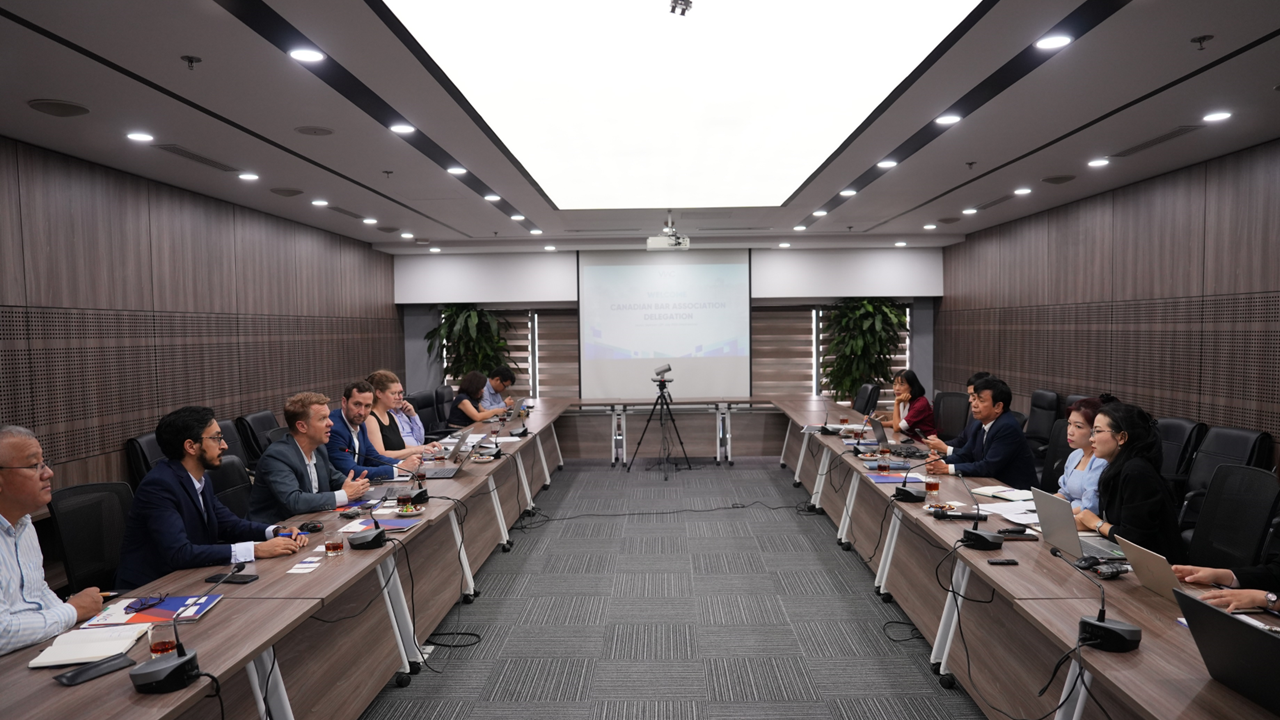
The meeting was conducted in an open, constructive, and highly substantive atmosphere. The strong alignment between the objectives of the VIST Project and VIAC's strategic priorities - including enhancing the quality of ADR services, developing specialized legal professionals, strengthening legal institutions, and advancing gender equality—provides a solid foundation for future collaborative initiatives. Such cooperation is expected to contribute to a more robust legal environment, reinforce investor confidence, and support Vietnam's sustainable economic development.

![[RECAP VAW 2026] Seminar “Commercial Mediation: Perspectives from International and Vietnamese Mediation Experts”](/files/thumb?w=342&h=262&src=/images/20260728114026_3a1dd1280797bd1e.jpg)
![[NEWS] VIAC’s Listed Arbitrators and VMC’s Listed Mediators recognised in the A-list 2025: Vietnam’s Top 100 Lawyers](/files/thumb?w=342&h=262&src=/images/News-and-events/News/260119_TheAList/Cover-VMC.jpg)
![[NEWS] Representative of the Vietnam Mediation Center (VMC) presented at the ADR Week 2025 in Kuala Lumpur, Malaysia.](/files/thumb?w=342&h=262&src=/images/News-and-events/News/250711_ADRWeek/thumbEN.jpg)
![[NEWS] VMC held Training Courses on Dispute Resolution Skills through Commercial Mediation (2021 – 2025)](/files/thumb?w=342&h=262&src=/images/News-and-events/News/250627/Thiết-kế-chưa-có-tên-(1).png)
![[News] The Vietnam Mediation Centre (VMC) to attend at ADR Week 2025 in Kuala Lumpur](/files/thumb?w=342&h=262&src=/images/News-and-events/News/250621/BANNER-ADR-25-2048x1152.jpg)
![[News] Representative of Vietnam Mediation Centre (VMC) attended the ESG ADR Forum Launch Event on December 12th, 2024](/files/thumb?w=342&h=262&src=/images/News-and-events/News/241230_VMC tai ESG ADR/DSC1338.jpg)
![[News] Mediator Tat Lim elected as Chair of International Mediation Institution (IMI)](/files/thumb?w=342&h=262&src=/images/News-and-events/News/241108_Chuc mung HGV Tat Lim/241108_Chuc mung HGV Tat Lim _EN_page-0001.jpg)
![[News] VMC admits 03 New Mediators to List of Mediators, October 2024](/files/thumb?w=342&h=262&src=/images/News-and-events/News/241025_KetnapHGVT10/thumbnail-HGV-T10-EN.jpg)